Classic SF Review: We See Things Differently by Bruce Sterling
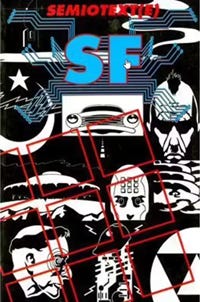
First published in Semiotext[e] SF, December, 1989, edited by Rudy Rucker. Much republishing followed – see the link below for details.

Why Read This Story?
“We See Things Differently” is a dystopian, tragic story of post-fall America, viewed through a Muslim lens. The characters are highly believable, and the plot and setting are too honest and foreboding not to be possible, maybe even probable.
Bruce Sterling has been nominated for and won many SF awards. He has a vast range, he collaborates well with other writers (a rare accomplishment), and I’ve never read anything by him that was not great! Together with William Gibson, Sterling founded Cyberpunk. Sterling then promoted cyberpunk into a worldwide phenomenon. If you know Star Trek, you may know there is a direct line from the Borg back to Sterling’s work.
Technically, a masterwork is supposed to be someone’s single best work. Sterling has many such pieces. “We See Things Differently” demonstrates Sterling’s ability to write yet another masterwork, this time without any reference to Cyberpunk or his Shaper-Mechanist Universe.
For Writers – Spoiler Alert!
Don’t be reading this story looking for a happy ending! It is a cautionary tale about how parts of Western/European and Muslim cultures may never learn to understand and accept each other, and what could happen as a result. We could have a long conversation about why that is an engaging premise.
Setting up the Setting: After his initial two super-vivid paragraphs, Sterling works in a bit of setting/backstory at a time, never more than a couple sentences at once. We never get distracted by this exposition. His simply-written text and tragic setting are totally believable as a result.
The Power in the Story: “We See Things Differently” has a surprise ending that is downright depressing for someone like me. Still, the ending is the reason that this story is so powerful. Without the assassination by martyrdom, carried out by the protagonist as the ultimate statement of his faith, this would be just another story about how bad things could get.
Overall: It may not have been written in SF’s golden age, but “We See Things Differently” is a classic because of its powerful message and deceivingly simple prose. It is clear evidence of a master at work!
Your Thoughts?
It could be argued that the ending of “We See Things Differently” encourages negative views of the Muslim faith. I believe that most readers understand SF cautionary tales for what they are. Sterling is mostly cautioning against the negative trajectories in US and Western cultures and pointing to how those trends could provoke a post-decline, fundamentalist Muslim response. Focusing only on that over-the-line (but believable) response allows people to ignore the problems in Western culture – problems that have accelerated since 1989, when Sterling wrote this story
If you have read “We See Things Differently,” do you agree? Please leave a comment below.
Links
Consider borrowing this story from your local library. It has been republished many times, in many different languages.
Bruce Sterling on Wikipedia.
Bruce Sterling: Summary Bibliography on isfdb – an amazing list!
Watch Bruce Sterling giving a 2021 keynote address, in Brussels at Palais des beaux-arts, titled The Future of Living where he talks about AI in our future.
Discussion about this post